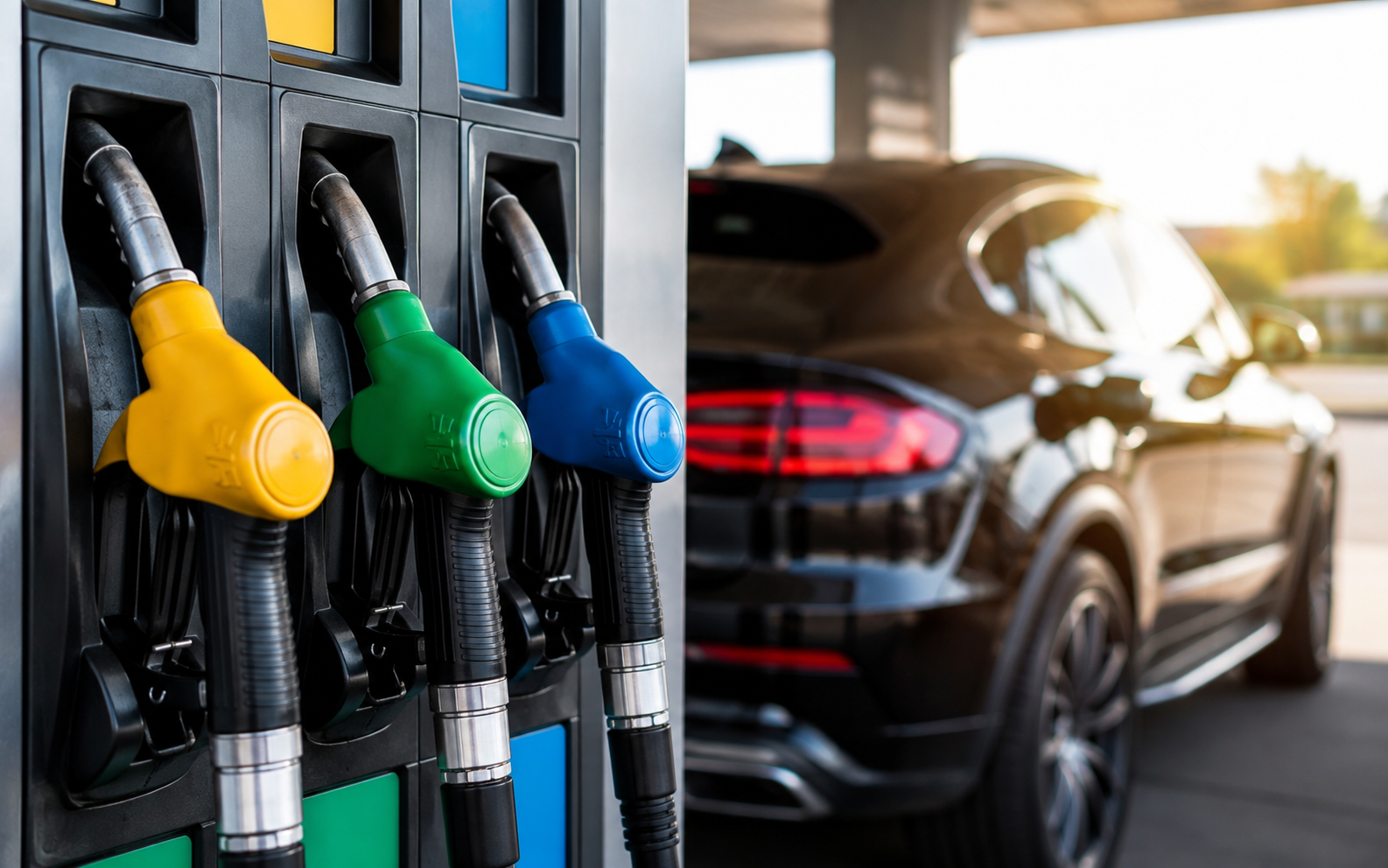
Standing at the gas pump, it's easy to wonder whether paying extra for premium gasoline is worth it. While premium fuel costs significantly more than regular gas, most vehicles won't see better fuel economy or performance from the higher octane. Understanding what octane ratings actually mean can help you choose the right fuel for your vehicle and avoid spending more than necessary.
What Octane Rating Actually Means
Octane rating isn't a measure of fuel "quality" or cleaning power — it's a measure of how resistant the fuel is to knocking, which happens when fuel ignites prematurely or unevenly inside the cylinder. Higher-octane fuel resists that premature ignition better, which matters most in high-compression engines.
If Your Owner's Manual Says "Regular"
Most vehicles on the road are designed to run on regular (87 octane) gas. If that's what your manual recommends, using premium generally won't improve performance, power, or fuel economy — your engine's computer isn't designed to take advantage of the higher octane, so you're simply paying more for the same result.
If Your Owner's Manual Says "Premium Recommended"
This is where it gets nuanced. "Recommended" (not "required") usually means the engine can adapt to regular fuel by adjusting timing, but you may lose a small amount of power and efficiency in the process. Whether that trade-off is worth the cost difference depends on your driving and priorities.
If Your Owner's Manual Says "Premium Required"
High-compression and turbocharged engines are often built specifically around premium fuel's knock resistance. Using regular gas in these engines isn't just inefficient — it can cause real knocking and, over time, engine damage. If your manual says "required," it means it.
Why Some Vehicles Need Premium Fuel
Many performance vehicles use high-compression or turbocharged engines that generate more heat and pressure inside the cylinders. Premium fuel helps prevent engine knock under these conditions, allowing the engine to produce the power and efficiency it was designed for. That's why manufacturers specify premium fuel for certain vehicles.
What Octane Doesn't Do
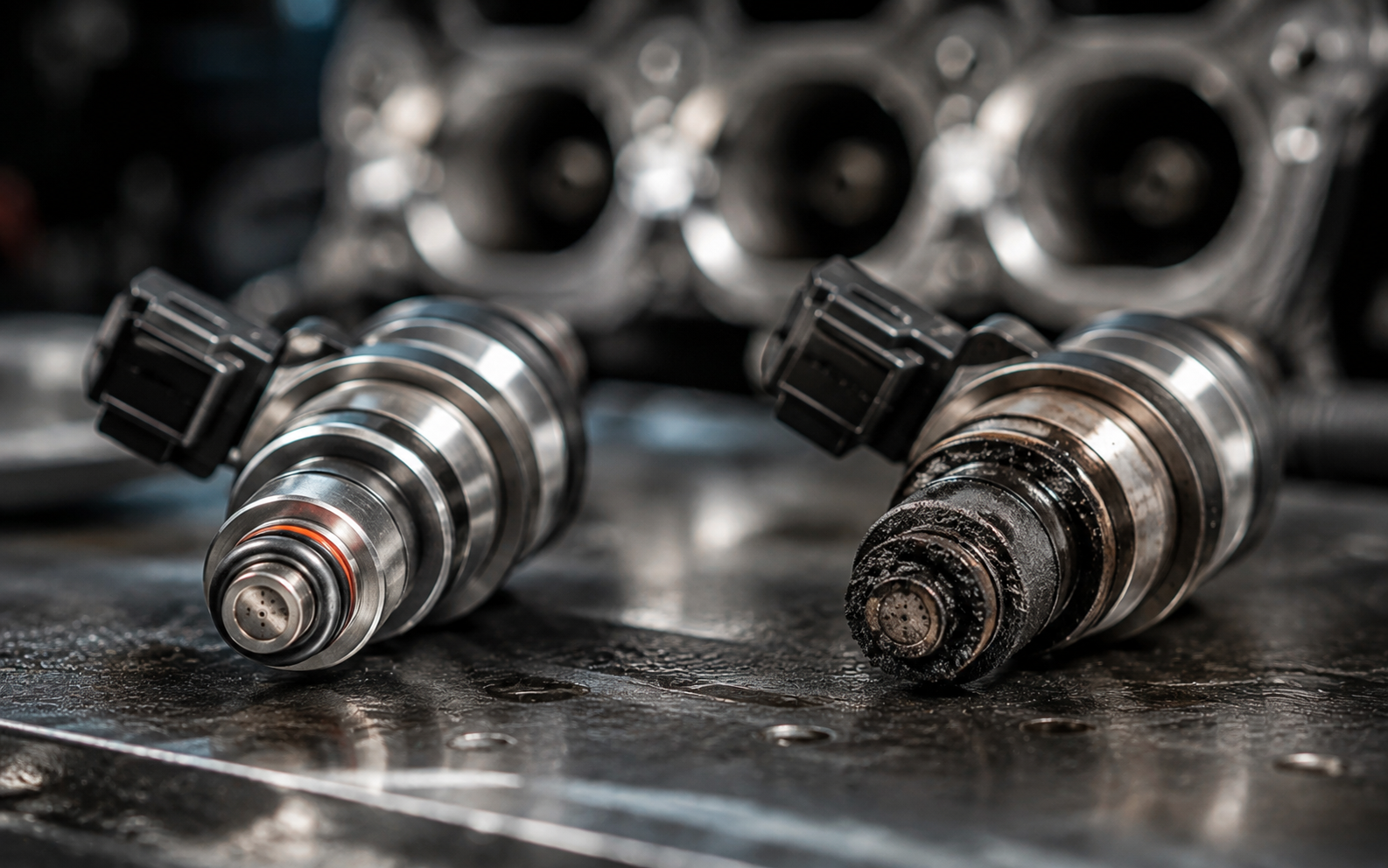
- It doesn't clean your engine. Although gasoline sold in the United States contains detergent additives, the octane rating itself has nothing to do with keeping fuel injectors or combustion chambers clean.
- It doesn't improve fuel economy in every vehicle. If your engine is designed for regular fuel, switching to premium usually won't increase MPG enough to offset the added cost.
- It isn't higher-quality gasoline. Premium fuel isn't "better" gasoline — it's simply formulated with a higher resistance to engine knock for vehicles that require it.
Deposit Control Comes From Treatment, Not Octane
If keeping your fuel system clean and burning efficiently is the goal, a dedicated fuel treatment does more than switching octane grades. Fuel Factor X is EPA registered (#217020001) and SAE J1321 certified for an 8.2% fuel economy gain — regardless of which octane your vehicle runs on.
See Fuel Factor X ProductsConclusion
Choosing the right fuel doesn't have to be complicated. The best place to find the correct octane rating is your owner's manual or the label inside the fuel door. If your vehicle is designed for regular gasoline, premium fuel is unlikely to provide meaningful benefits. Keeping your engine properly maintained and your fuel system clean will usually have a much greater impact on performance and fuel economy than paying extra for higher-octane fuel.