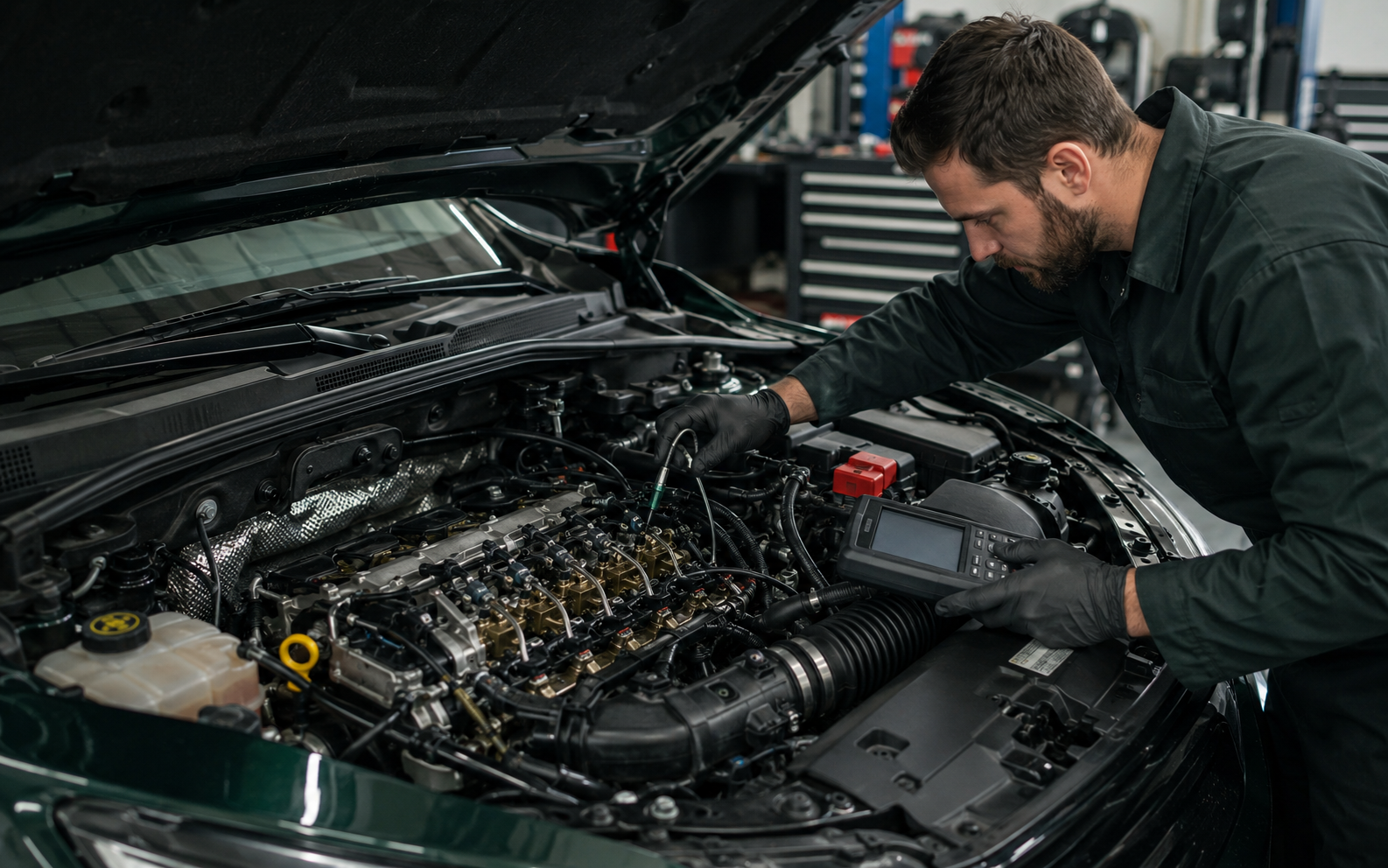
"A dirty air filter hurts your gas mileage." It's one of the most common pieces of car maintenance advice, but it's not always true. While a severely clogged air filter can affect engine performance, most modern fuel-injected vehicles experience little impact on fuel economy from a moderately dirty filter. Here's what the research shows and what really makes the biggest difference in your MPG.
How an Air Filter Affects Your Engine
Your engine's computer constantly measures incoming air to calculate how much fuel to inject. In older carbureted engines, a clogged filter could genuinely choke off airflow and force a richer, wasteful fuel mixture. But most vehicles on the road today use fuel injection with an oxygen sensor and mass airflow sensor that automatically adjust for restricted airflow.
What the Data Actually Shows
On modern fuel-injected vehicles, a moderately dirty air filter typically has a small, often barely measurable effect on highway fuel economy. Where it does matter is under hard acceleration and heavy load — think merging, towing, or climbing grades — where a severely clogged filter can measurably reduce power and force the engine to work harder.
So Why Does the Myth Persist?
The air filter tip survives because it's an easy, visible, DIY-friendly fix people can point to. It's not wrong to replace a dirty filter — it protects your engine from debris and helps maintain smooth airflow — it's just not the biggest lever for fuel economy that it's often made out to be.
Signs Your Air Filter May Need Replacing
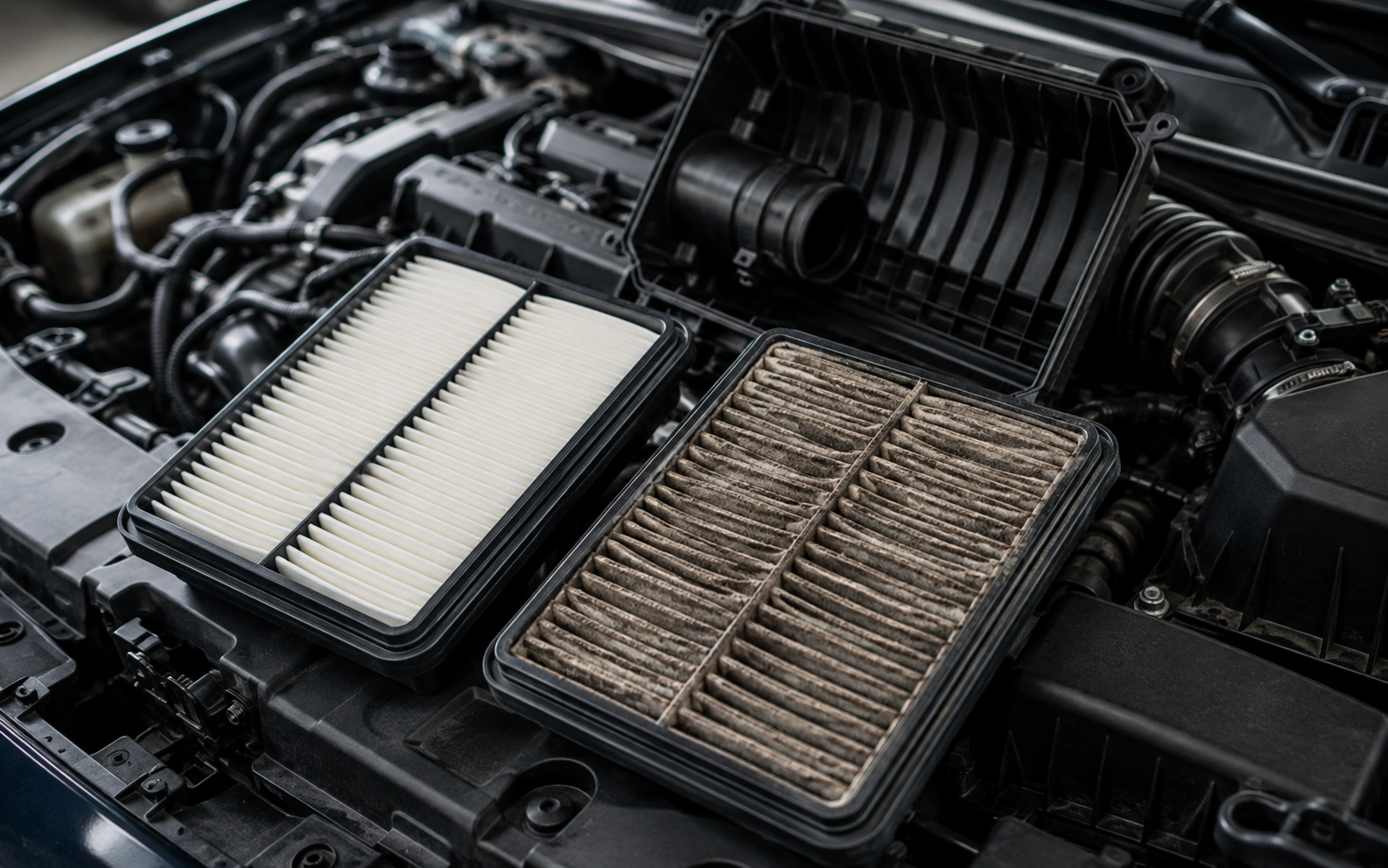
A dirty air filter doesn't usually cause dramatic fuel economy losses, but it can affect engine performance over time. Common signs include reduced acceleration, sluggish throttle response, a visibly dirty or clogged filter, unusual engine sounds under heavy acceleration, or a check engine light in some cases. Checking your air filter during routine maintenance is a simple way to help keep your engine breathing properly.
What Actually Moves the Needle More
- Tire Pressure — Underinflated tires increase rolling resistance, forcing the engine to work harder and consume more fuel. Checking tire pressure monthly is one of the easiest ways to improve fuel economy.
- Driving Habits — Rapid acceleration, speeding, and heavy braking use more fuel than smooth, consistent driving. Small changes in driving style can have a noticeable impact on MPG.
- Fuel System Cleanliness — Fuel injectors that develop deposits may not spray fuel as efficiently, which can reduce combustion efficiency. Keeping the fuel system clean helps maintain performance and fuel economy.
- Routine Maintenance — Fresh engine oil, clean spark plugs, and scheduled maintenance all work together to keep your engine operating efficiently.
A Clean Fuel System Does More Than a Clean Filter
Fuel Factor X is engineered to help keep the fuel system itself clean and burning efficiently — supported by SAE J1321 certified testing showing an 8.2% fuel economy gain, and over 2.5 billion miles tracked in commercial use.
See Fuel Factor X ProductsConclusion
Replacing your air filter is still an important part of routine vehicle maintenance. It helps protect your engine, supports proper airflow, and can restore lost performance if the filter is severely clogged. However, if your goal is to improve gas mileage, you're likely to see greater benefits from maintaining proper tire pressure, driving smoothly, and keeping your fuel system and engine well maintained.